Imagine the internet is a giant, global brain. If the servers are the neurons firing off thoughts and the AI is the high-speed intelligence, then data centre cabling is the nervous system making it all possible. Without those millions of miles of high-tech “nerves,” that brain would just be a collection of disconnected parts.
As we move deeper into 2026, the way we build these systems is changing. If you want to understand how your favorite AI can generate a video in seconds or how Big Data can predict a storm before it happens, you have to look at the silent hero: the cables.
Wicked Fast Speed (The Latency Killer)
When you’re training a massive AI model, you’re basically asking thousands of computers to work on one giant math problem at the same time. If the data centre cabling isn’t top-tier, the computers end up waiting on each other. That “waiting” is called latency, and in the world of Big Data, latency is the ultimate villain.
Modern fiber-optic cables are now thinner than a human hair but can carry more data than ever before. We are moving toward “Ultra-High-Density” setups where thousands of fibers are packed into a single tube. This ensures that when an AI needs to “talk” to a database, the conversation happens at the speed of light—literally.
Massive Muscle (Bandwidth For Big Data)
Big Data isn’t just a catchy name; it’s a literal ocean of information. Every time you click, post, or search, you’re adding to it. To move that ocean around, you need pipes—not small garden hoses.
The latest data centre cabling uses something called “400G” and “800G” technology. To put that in perspective, that’s like downloading dozens of 4K movies in a single second. This massive bandwidth is what allows scientists to analyze climate change data or help doctors find cures for diseases by scanning millions of medical records in an eye blink.
Keeping It Chill (The Airflow Hack)
Believe it or not, how you organize your cables can change the temperature of the building. In the past, “cable spaghetti” (a mess of tangled wires) would block the air from the fans, causing servers to overheat and crash.
Today’s cable management is like high-tech Tetris. By using sleek, organized data centre cabling layouts, engineers ensure that cool air can flow perfectly through the racks. This doesn’t just keep the AI from “sweating”—it also saves massive amounts of energy.
Future-Proofing The Vibe (Modular Growth)
The coolest thing about modern cabling is that it’s “modular.” This means it’s built like Lego sets. As AI gets smarter and we need more power, engineers don’t have to rip out the whole building. They can just “plug and play” new, faster cables into the existing system. That’s smart tech at play, don’t you think so?
Conclusion:
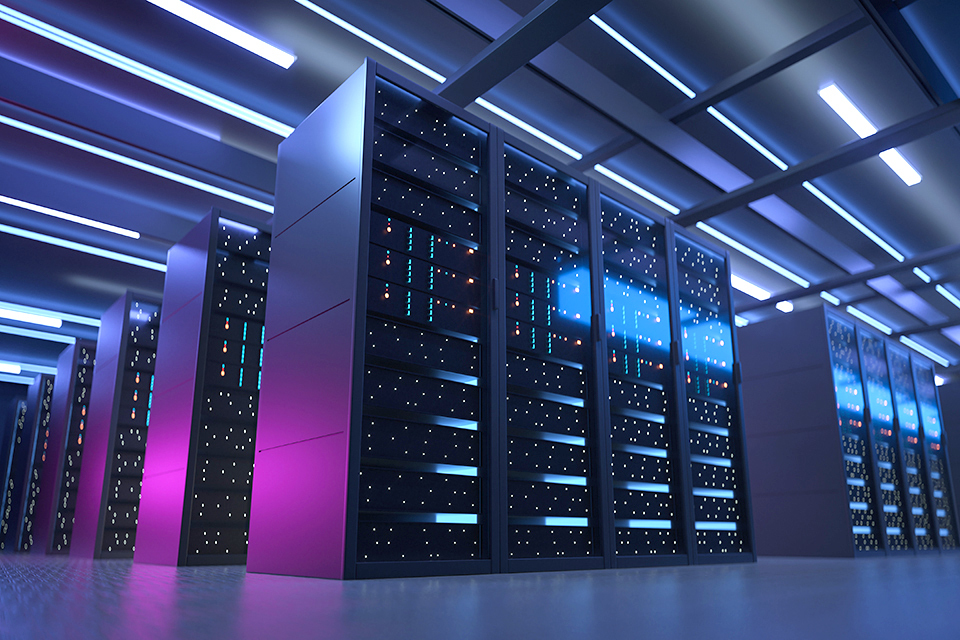
So, the next time you see a picture of a glowing blue server room, look past the flashing lights. It’s that intricate web of data centre cabling doing the heavy lifting, ensuring the digital world stays connected, smart, and incredibly fast.